


The FDA is aggressively targeting a single pet food manufacturer, moving to forcibly shut down their operations through an emergency court injunction. “This statutory injunction proceeding is brought under the Federal Food, Drug, and Cosmetic Act to permanently enjoin the defendants from violating 21 U.S.C. § 331(a):
by introducing or causing to be introduced articles of food, as defined by 21 U.S.C. § 321(f), that are adulterated within the meaning of 21 U.S.C. § 342(a)(1) and (a)(4);”
For this pet food company, the stakes couldn’t be much higher. Federal regulators allege the company distributed adulterated pet food across state lines.
We are not defending or condemning this specific manufacturer, we cannot speak to the quilt or innocence of the company. But…we can question:
Why is the FDA turning a blind eye to massive corporate giants committing the
EXACT SAME LAW VIOLATIONS?
To justify its legal attack against the small pet food manufacturer, the FDA lawsuit directly cites federal food safety statutes under “21 U.S.C. § 342(a)” (Adulterated Food). Below is the exact text of 342(a)(4)—the precise law the FDA cites in the lawsuit but routinely permits its favored industry allies to breach with total immunity.
21 U.S.C. § 342(a)(4):
“A food shall be deemed to be adulterated—
(a) Poisonous, insanitary, etc., ingredients
(4) if it has been prepared, packed, or held under insanitary conditions whereby it may have become contaminated with filth, or whereby it may have been rendered injurious to health;”
Here are some image examples of pet food “ingredients held in insanitary conditions” (image sources: Google Earth and a pet owner). Rendered ingredients commonly used in thousands of pet foods which go unregulated by FDA.

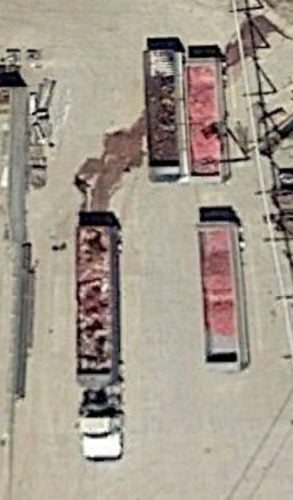
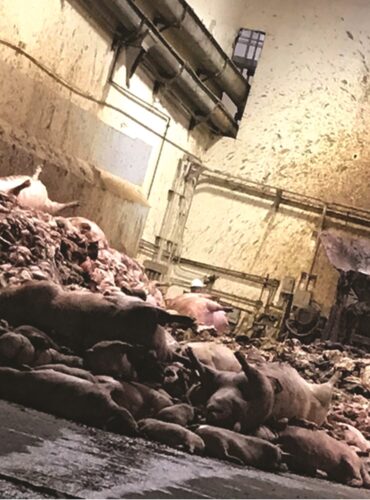
No one can deny that these horrifying rendering facilities operate under deeply unsanitary and unsafe conditions. No one can deny this quality of pet food ingredient are direct violations of adulterated food law. Yet…
Millions of pets are fed rendered ingredients every single day. Pet food producers such as Purina, Mars, Hill’s, and Blue Buffalo all utilize rendered ingredients. Yet, the FDA takes NO legal action against the manufacturers who include rendered ingredients in their pet foods or the ingredient suppliers.
Corporate Immunity: The Case of Mars Petcare.
Example of “it may have become contaminated with filth”. 21 U.S.C. § 342(a)(4).
A shocking FDA inspection of a Mars Petcare manufacturing facility documented “millions of roaches” crawling inside active food production areas. Disturbingly, this inspection followed a year prior inspection that also exposed a rampant German cockroach infestation in the pet food plant. According to the official inspection record:
“The severity of our observations as related to filth and the failure to take adequate measures to exclude pests from the manufacturing and related areas of the firm.”
“Failure to handle raw materials and ingredients used in manufacturing under conditions that will protect the animal food against contamination and minimize deterioration.”
The FDA inspection report explicitly stated they discovered “filth” and “contamination” in the pet food plant, the EXACT wording from Adulterated Food laws. Despite this breach of federal adulteration laws – the FDA took zero regulatory action. Even though this pet food plant was a repeat offender (two inspections, FDA found cockroach infestations) – there was no injunction filed against Mars Petcare. No recall was ordered, no Warning Letter was issued, and consumers were left completely in the dark. The FDA did nothing.
The FDA calls it “selective enforcement”.
But it is far more than that. This so-called selective enforcement directly provides ‘some’ with immunity to handsomely profit from selling adulterated pet food (friends with benefits), and at the same time takes ‘others’ to court (no friend, no benefit).
This isn’t mere selective enforcement—it is regulatory favoritism that betrays every single US pet owner.
It’s regulatory double standards.
It’s time for the FDA to explain, why are they allowing double standards to decide what goes into our pets’ food bowls?
Send the FDA and email and ask them to explain. AskCVM@fda.hhs.gov
Susan Thixton
Pet Food Consumer Advocate
TruthaboutPetFood.com
Association for Truth in Pet Food
Find Healthy Pet Foods in Your Area Click Here

The 2026 List
Our trusted ‘list’ of pet foods. Click Here to learn more.
The 2026/27 Treat List
Susan’s List of trusted pet treat manufacturers. Click Here to learn more.

Association for Truth in Pet Food is a stakeholder organization representing pet food consumers at AAFCO and with FDA. Your membership helps representatives attend meetings and voice consumer concerns with regulatory authorities. Click Here to learn more.