





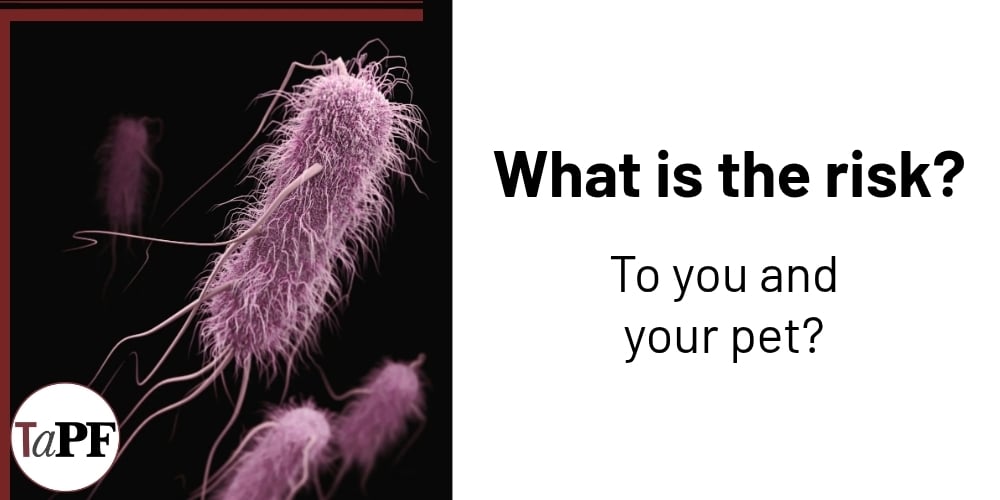
In 2026, we have seen 16 different pet product recalls, six of these recalls were for Salmonella contamination (and two more for Listeria contamination).
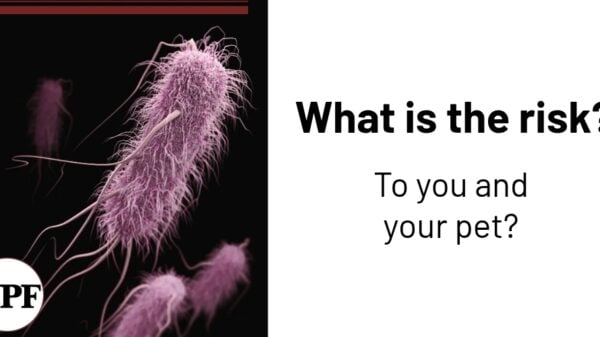
What is your and your pet’s risk to be sickened by Salmonella?
Note: I am not a health professional and am not giving advice on how to protect your pet or yourself from illness. We are providing data from FDA and USDA in order for pet owners to assess their risk.
Regarding the risk of illness for your pet, the FDA states: “Salmonellosis is uncommon in dogs and cats, but they can be carriers of the bacteria. When the disease is seen in an adult dog or cat, the animal typically has another infection or health problem at the same time. Puppies and kittens are more likely to show signs of disease.”
The risk of Salmonellosis is far greater for people. The CDC “estimates Salmonella cause about 1.35 million infections in the United States every year.” Also the CDC states:
“People can get infected with Salmonella in many ways, including
- Eating contaminated food
- Drinking or having contact with contaminated water
- Touching animals, animal poop, and the places animals live and roam”
Raw (poultry) meat is the most commonly known risk of Salmonella contamination, which links raw pet food into a high risk category. So…what is the risk of raw meat/raw pet food?
The USDA is the federal agency that regulates meat (raw and cooked), the FDA is the federal agency that regulates pet food (all styles). These two agencies have very different perspectives on Salmonella.
The USDA performs random testing in slaughter facilities for Salmonella. Below is the USDA “Maximum acceptable percent positive” allowed in whole chicken/turkey, ground chicken/turkey, and chicken parts.
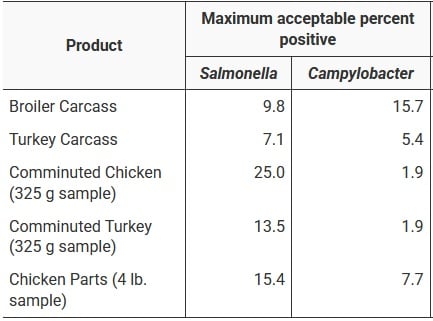
Note that the USDA allows 25% of raw ground chicken samples to test positive for Salmonella.
The FDA on the other hand holds a zero tolerance (no Salmonella positive testing) in raw ground chicken pet food (in all pet foods).
Thus, based on enforcement actions taken by regulatory agencies – raw ground chicken purchased in your grocery is significantly more of a Salmonella contamination risk than any style of pet food.
Another FDA concern with pet food is that pets can shed the Salmonella bacteria in their feces, potentially sickening us. The FDA was so concerned about bacteria in animal feces they performed a study on the topic.
The FDA tested the feces of 542 cats and 2,422 dogs for Salmonella. The results: “The overall study prevalence of Salmonella in cats (3 of 542) was <1%. The prevalence in dogs (60 of 2,422) was 2.5%.”
The FDA found less than 1% of cat feces tested positive for Salmonella, and 2.5% of dog feces tested positive for Salmonella. Not a significant risk.
The FDA study stated raw pet food was the biggest threat to shedding Salmonella in dog feces. “Salmonella-positive dogs were more likely to have consumed raw food (16.7%, 10 of 60).”
But…this FDA claim that raw pet foods were more likely to leave Salmonella in the pet feces is not accurate.
Of 2,422 dog feces tested, only 60 were positive for Salmonella (2.5%). Of the 60 positive, 10 of those dogs consumed raw pet food. This leaves 50 positive dogs who ate other styles of pet food. Unfortunately (or perhaps intentionally) the FDA study did not disclose what style of pet food the 50 remaining dogs consumed.
The potential styles of pet food those 50 positive dogs consumed would be kibble, cooked or dehydrated styles of pet foods.
The reality is, any style of pet food can be a risk for Salmonella contamination. Pet owners should not be lax in hand washing, cleaning pet bowls and utensils for any style of pet food. And hand washing is necessary after picking up after our dogs and after cleaning the litter box.
We encourage the FDA to provide consistent reminders to pet owners regarding hand washing and bowl washing – just as the USDA continues to do with handling of raw meat.
Susan Thixton
Pet Food Consumer Advocate
TruthaboutPetFood.com
Association for Truth in Pet Food
Find Healthy Pet Foods in Your Area Click Here

The 2026 List
Our trusted ‘list’ of pet foods. Click Here to learn more.
The 2026/27 Treat List
Susan’s List of trusted pet treat manufacturers. Click Here to learn more.

Association for Truth in Pet Food is a stakeholder organization representing pet food consumers at AAFCO and with FDA. Your membership helps representatives attend meetings and voice consumer concerns with regulatory authorities. Click Here to learn more.



saint
November 5, 2026 at 3:57 pm
No, there isn’t. Has the mainstream told the truth about anything?
https://rumble.com/v5fdcst-germs-do-not-cause-disease-its-malnutrition-trauma-and-toxins-dr.-marizelle.html?e9s=src_v1_clr%2Csrc_v1_ucp_v
Bethany
November 5, 2026 at 4:01 pm
This insightful information also seems to suggest that feeding cats and dogs home prepared raw food with flesh purchased from the grocery store carries significantly more risk than feeding them commercially prepared raw food. I think there needs to be a clear distinction in wording and findings between “home prepared raw food” and “commercially prepared raw food”.
Susan Thixton
November 5, 2026 at 4:17 pm
That’s not my intention at all. The same meat sold at the grocery is also sold to pet food.
Bethany
November 5, 2026 at 4:52 pm
Yes, but you yourself stated: “…raw ground chicken purchased in your grocery is significantly more of a Salmonella contamination risk than any style of pet food.”
Most commercially prepared human-grade raw foods also go through additional testing by the manufacturer.
Susan Thixton
November 5, 2026 at 5:00 pm
True. But again, that is not the intention of this post. I actually make home prepared pet food for my pets (as well as purchase commercial). The intention is for us all to show more responsibility in washing hands, bowls, etc.
Bethany
November 5, 2026 at 5:07 pm
I see. I’m sorry for the confusion. Thank you!
Paul
November 5, 2026 at 4:09 pm
By now we all should understand that government institutions have been captured and corrupted. They serve money interests, not us. Non-stop fearmongering should prompt us to stop and ask: who benefits?
My rule: if it can be claimed without providing any credible evidence, I will reject it without providing any credible evidence.
T Allen
November 5, 2026 at 4:29 pm
Of course the FDA didn’t disclose what the other 50 dogs ate. That would blow their whole “raw food is bad” scheme right out of the water. Thanks for reporting on this. This study is fascinating in so many ways. Haven’t read it in depth yet but it sure looks like dogs, and cats especially have evolved along side salmonella to have less illness from it! It appears that human intervention as well as crummy corn based diet makes salmonella infection more likely, “Salmonella-positive dogs were significantly more likely to have consumed raw food (P = 0.01), to have consumed probiotics (P = 0.002), or to have been given antibiotics (P = 0.01).” Obviously dogs eating a raw diet (never feed raw chicken or turkey unless you are willing to accept the risk but in raw beef and pork the risk is very low) are at higher risk but the big question in my mind is, did the dogs actually consume the salmonella from raw food or their environment. Big surprise? In rural areas the chance of being positive was higher. That’s a big “tell” right there. Great post as always! Back to reading the research more closely.
Sandy M.
November 5, 2026 at 10:19 pm
I do find it noteworthy that chicken is a more risky ingredient choice for salmonella whether you are human or a fur baby. Seems like when you read the ingredient list, the majority of commercial food and treats contain chicken. I won’t go to bed without having washed my dog’s dishes. Plus, I like to buy a hand soap that I love the smell of, to encourage hand washing. Thank you Susan for reminding us to keep our hands and our pet environments clean no matter what your food choice is. The whole family benefits!
Sharon Barnes
November 8, 2026 at 1:19 pm
Thank you very much for staying on top of this. Don’t know anyone else, or any other organization who’s watching out for our fur babies like y’all do. Really good to see company websites who post that their product is on your list. I tell people about your lists all the time.