



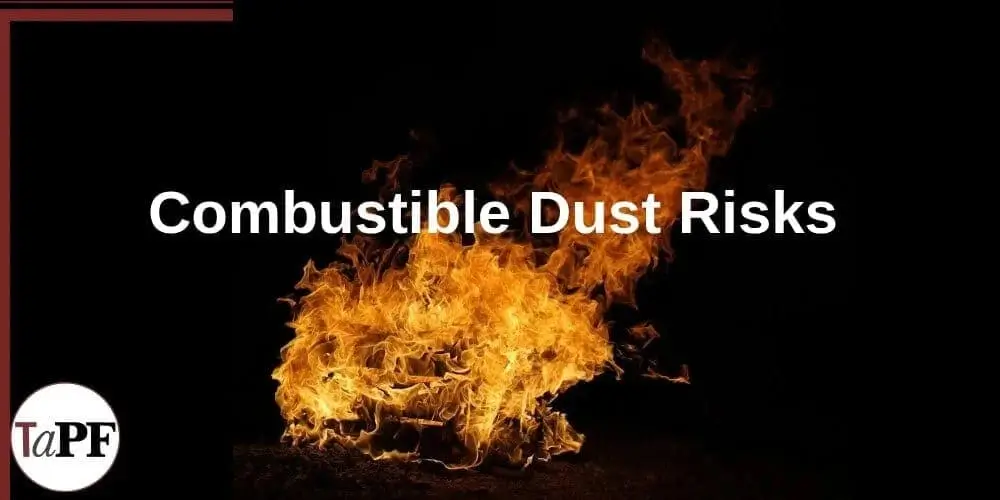
Pet owners are told very little about what happens behind closed doors in pet food manufacturing. This issue we share of pet food manufacturing has nothing to do with the safety of pet food, but it has a lot to do with the safety of manufacturing it.
The corn, rice, and wheat shipped to pet food manufacturers (and human food manufacturers) is classified by the Occupational Safety and Health Administration (OSHA) as a “hazardous chemical”.
OSHA states “Any item or solid material that has the potential to release combustible dust when further handled or processed by downstream users is now considered to be a ‘hazardous chemical’.”
Corn, rice and wheat are not chemicals, but they are classified as a hazardous chemical because of being prone to release dust that can explode causing fires.
From the website Dust Safety Science:
“The Occupational Safety and Health Administration, (OSHA), identifies Grain as a Combustible Dust. Fine particles generated during various stages of grain and agricultural processing, and feed mills, such as mixing, drying, and transporting, constitute the primary source of combustible dust in these facilities.
In the grain and agriculture industry, the presence of combustible dust represents a significant peril, creating grain dust explosions. This fine particulate matter is often a byproduct of processing and handling grains or agricultural materials like wheat flour, grain flour, corn, corn starch, oat flour, barley, and rice, and is inherently combustible, and how grain dust explosions and secondary dust explosions occur.”
From a manufacturer of food manufacturing dust control equipment: “Pet food is a big business—but all that dry kibble also adds up to a huge dust control challenge. From bulk ingredient transport to packaging of finished kibble, pet food manufacturing involves many different dust-creating processes.”
Fire safety laws require pet food manufacturers to perform a “Dust Hazard Analysis” at least every five years.
Despite the precautions manufacturers are required to take, fires at pet food plants still happen. In 2015, a pet food manufacturer in Pennsylvania experienced one of those fires.
“By the time firefighters arrived on the scene the fire had spread to the air duct system, where it took firefighters over three hours to contain the blaze. The fire wasn’t done yet though, and several new fires were discovered by plant workers, causing firefighters to be called back to the plant. One of these new fires was located within a silo that was storing 90 tons of powdered dog food. The smoldering dust inside the silo created new issues for the firefighters, and additional fire companies were dispatched to the area to assist. However, despite these precautions the dust inside the silo did create enough of a cloud to combust, creating an explosion powerful enough to blow the roof off the silo.”
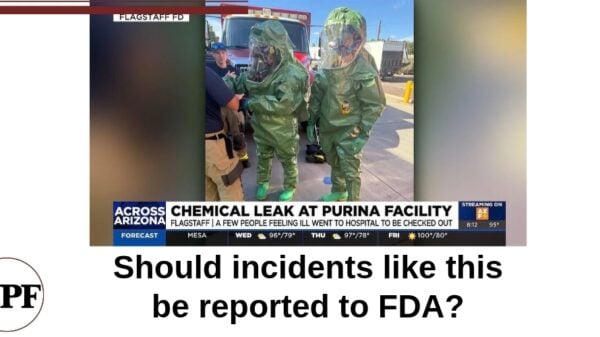
In 2014 a Purina pet food plant in Arizona also experienced a grain dust fire. “Flames from welding equipment touched off a grain-dust explosion at a Nestlé Purina plant on Sunday, severely burning two workers and injuring two others, authorities said. The four contractors were welding about 5 p.m. on the fifth floor of the complex’s seven-story grain elevator when their torches sparked grain dust and set off the blast.”
We found no evidence of a combustible dust risk to pet foods stored in homes.
Susan Thixton
Pet Food Consumer Advocate
TruthaboutPetFood.com
Association for Truth in Pet Food
Find Healthy Pet Foods in Your Area Click Here

The 2026 List
Our trusted ‘list’ of pet foods. Click Here to learn more.
The 2026/27 Treat List
Susan’s List of trusted pet treat manufacturers. Click Here to learn more.

Association for Truth in Pet Food is a stakeholder organization representing pet food consumers at AAFCO and with FDA. Your membership helps representatives attend meetings and voice consumer concerns with regulatory authorities. Click Here to learn more.



Sandy M.
August 11, 2026 at 12:04 am
Makes me wonder how exposure to grain dust that is inherent to dry kibble dog food could also negatively affect a dog’s lung function over it’s lifetime of eating kibble. Hopefully people realize that it’s important to keep kibble in the original bag to prevent the food’s natural fats from turning rancid. Also you can’t keep kibble outside in the heat. Our pets are counting on us!