
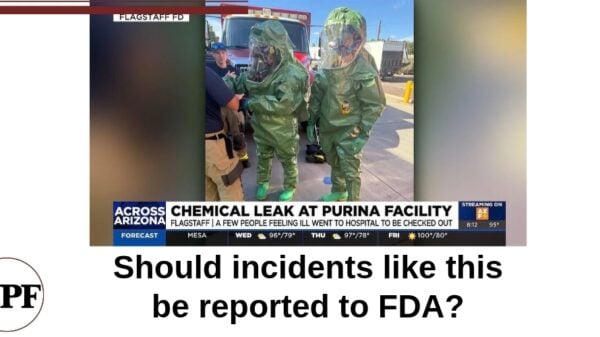












Personal Note: I personally know several people who have contracted tularemia, confirmed by the CDC to have been exposed to the bacteria while working at a pet food plant (from rendered pet food ingredients). Due to this experience with the disease, I have a more than an average concern when tularemia cases are reported publicly.
Minnesota Department of Health stated the following in a press release dated July 24, 2025:
“It’s important for pet owners to be aware of this disease in their pets, because it is possible for a person to become infected as well,” said Maria Bye, senior epidemiologist in the Zoonotic Diseases Unit at MDH.
The disease: tularemia.
The Minnesota Department of Health and the Minnesota Board of Animal Health (BAH) “are tracking an increase of tularemia cases in humans and companion animals (especially cats) across Minnesota.” The state is reporting 5 cases of tularemia in humans so far this year (2025), but they did not disclose how many pets have been diagnosed this year.
In 2024, the state of Minnesota had a total of 5 human illnesses and 27 animal illnesses reported. “Twenty-one animal cases were in domestic cats, five in domestic dogs, and one in a wild rabbit.”
The Minnesota press release states: “Tularemia is a potentially serious illness of animals and people and occurs naturally in Minnesota. It is caused by the bacterium Francisella tularensis, which can be found in wildlife, particularly rabbits, squirrels, beavers, muskrats and other rodents. Pets are most often exposed to tularemia by hunting these animals but can also be exposed through tick or fly bites. Although many animals can be affected by tularemia, cats that spend time outdoors are at an increased risk.”
But…
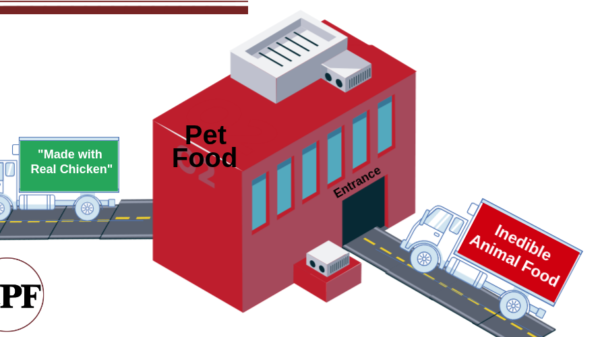
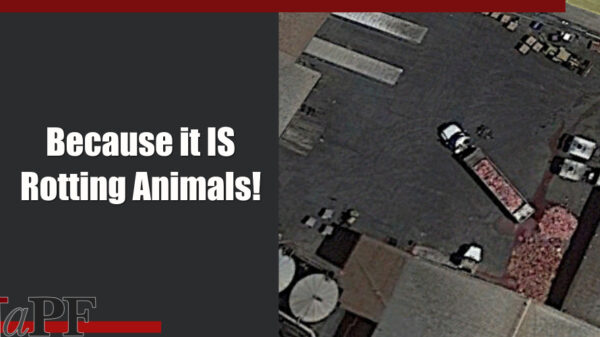
My personal experience proves there is another possible exposure to tularemia that is being ignored by the medical community and the pet food regulatory community…rendered sick animals into pet food ingredients. In 2017, the Centers for Disease Control (CDC) confirmed to multiple pet food manufacturing employees their exposure to tularemia was rendered pet food ingredients at the pet food plant.
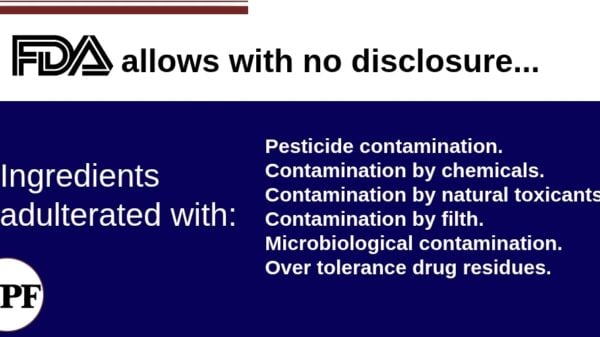
Despite the FDA being fully aware that multiple pet food manufacturing employees were exposed to and sickened by tularemia from pet food ingredients, the agency still allows sick animals, dead/non-slaughtered animals with unknown illnesses to be rendered into pet food ingredients and sold to pet owners with no warning or disclosure.
We have petitioned the FDA in the past regarding their allowance of diseased/sick animals processed as pet food ingredients. The FDA’s response:
“We do not believe that the use of diseased animals or animals that died otherwise than by slaughter to make animal food poses a safety concern and we intend to continue to exercise enforcement discretion.”
We have asked FDA for their science that evidences the agency’s “belief” that pet food ingredients sourced from diseased animals are safe for pets to consume. Their response to our request for scientific evidence: “we could not find the requested documents.”
We filed another Citizen Petition with FDA in June 2022 – based on requirements of federal law – to require disclosure on pet food labels when ingredients are feed grade (potential to be of inferior quality including sourced from diseased animals). Three years later, the FDA has not responded to our petition.
We assume the medical community that monitors tularemia – just like so many pet owners – has no knowledge that the FDA allows diseased animals and animals that have died other than by slaughter to be (illegally) processed as pet food ingredients. We assume the medical community is completely unaware that rendered pet food ingredients have been responsible for human tularemia illnesses in the past.
We sent an email to Minnesota Board of Animal Health urging the agency to trace the pet foods consumed by diagnosed animals. It is unknown if the agency will take our advice.
While we wait for someone of authority to do the right thing (such as enforce federal law, properly inform pet food consumers to what they are purchasing, and properly trace tularemia cases), please be aware of the symptoms of tularemia.
Symptoms in pets: “Signs of illness in animals include a high fever, weakness, lack of appetite, skin or mouth ulcers and swollen lymph nodes.”
Symptoms in humans: “All forms of tularemia in humans are accompanied by a sudden onset of fever. Other signs and symptoms can include skin wounds or ulcers, swollen lymph nodes, headaches, chills, joint and muscle pain and nausea. Symptoms in people generally appear three to five days after exposure but may occur as soon as the next day or up to 14 days after exposure.”
Susan Thixton
Pet Food Safety Advocate
Author Buyer Beware, Co-Author Dinner PAWsible
TruthaboutPetFood.com
Association for Truth in Pet Food

Become a member of our pet food consumer Association. Association for Truth in Pet Food is a a stakeholder organization representing the voice of pet food consumers at AAFCO and with FDA. Your membership helps representatives attend meetings and voice consumer concerns with regulatory authorities. Click Here to learn more.
What’s in Your Pet’s Food?
Is your dog or cat eating risk ingredients? Chinese imports? Petsumer Report tells the ‘rest of the story’ on over 5,000 cat foods, dog foods, and pet treats. 30 Day Satisfaction Guarantee. Click Here to preview Petsumer Report. www.PetsumerReport.com
Find Healthy Pet Foods in Your Area Click Here

The 2025 List
Susan’s List of trusted pet foods. Click Here to learn more.

The 2025/26 Treat List
Susan’s List of trusted pet treat manufacturers. Click Here to learn more.











Audrey Scruggs
July 29, 2025 at 4:47 pm
Found this:Can tularemia be cooked out of meat?
AI Overview
+6
Yes, tularemia-causing bacteria can be killed by cooking meat to a safe internal temperature. Proper cooking, which involves reaching a minimum of 165°F (73.9°C), will destroy the bacteria, making the meat safe to eat. However, freezing raw meat does not kill the bacteria, it only preserves it, according to the Iowa Department of Health and Human Services. Still no excuss!! These pet food companies are a disgrace to even use diseases animals in pet food!!!
David Boothman
July 29, 2025 at 5:04 pm
This is why we never by pet food manufactured under the authority of the FDA. This organization is not competent to ensure the food is safe for consumption by pets or for handling by humans. All food should be produced under yhe authority of the USDA. For kibble we use food sourced in Europe where standards are enforced by independent audit.
CB
July 29, 2025 at 8:57 pm
Thank you for the information and for continuing to try to get accurate information out!
Jacqueline Conner
July 30, 2025 at 5:57 am
Just a suggestion but maybe send a letter of concern directly to the governor. He’s a huge lover of animals and a hunter. Who knows, you may get more help from him than going through the bureaucracy of government.
B Mandello
July 30, 2025 at 9:52 am
Thank you for being vigilant about pet foods. Your insight is always appreciated. Too bad the government doesn’t see the importance of properly feeding our pet families.
Susan
July 30, 2025 at 4:06 pm
Dr. Karl Klose, Ph.D, professor of Microbiology at University of Texas at San Antonio is an expert on Tularemia. He is also a super nice guy and a dog lover. I would recommend that people who would like to get expert advice about transmission and testing (possibly at his lab or he would be able to recommend a lab) should contact him. He might be the right expert to weigh in on this issue and/or write to the FDA. Just a thought.
mak
July 31, 2025 at 2:32 am
I live in Minneapolis. We have many irresponsible cat owners who allow their cats to roam. My guess is these cats are the reason for the incidence here rather than pet food. These roaming cats are an ongoing issue for those of us who live here.