












How Pet Food is Regulated
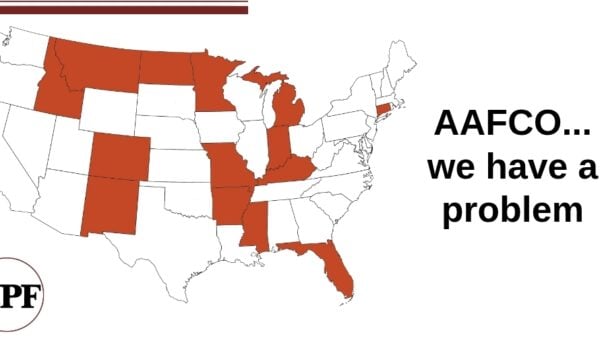
Pet food is regulated on a federal level by FDA and a state level by State Department of Agriculture. AAFCO is not a regulatory agency, they do not regulate any part of pet food. The USDA does not regulate pet food, however the agency used to have a Certified Pet Food program which required all ingredients to be human edible.
Most Commonly Used Ingredient
According to an industry report, almost 1 million tons more corn is used to make pet foods than any other ingredient.
‘With’ Included in the Pet Food Name
AAFCO regulations require a minimum of 3% of the product weight exclusive of water added for processing.
Puppy Foods and Kitten Foods
Puppy Foods and Kitten Foods, classified by AAFCO as “Growth“, are required to meet the Nutrient Profile All Life Stages. There is a small change for puppy foods formulated for large breed puppies, which are required to contain slightly less calcium. AAFCO has two Nutrient Profiles: Adult Maintenance and All Life Stages.
Feeding Trials
While AAFCO established the requirements for a Feeding Trial, AAFCO does not certify the results. No regulatory authority or third party is required to validate the results.
Recipe, Formula, Dinner
AAFCO regulations require a minimum of 10% of the named ingredient (10% of the product weight exclusive of water added for processing) when descriptors Recipe, Formula, Dinner or similar are used in the name.
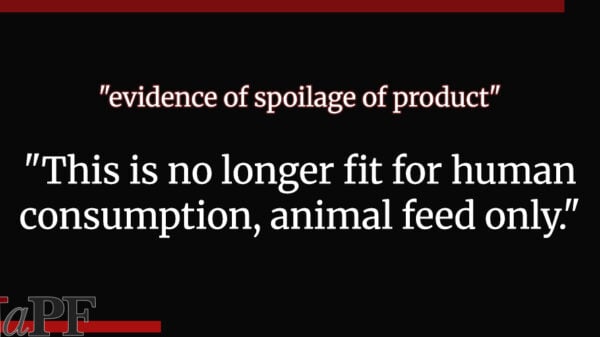
Diseased Animals and Animals that have died other than by slaughter
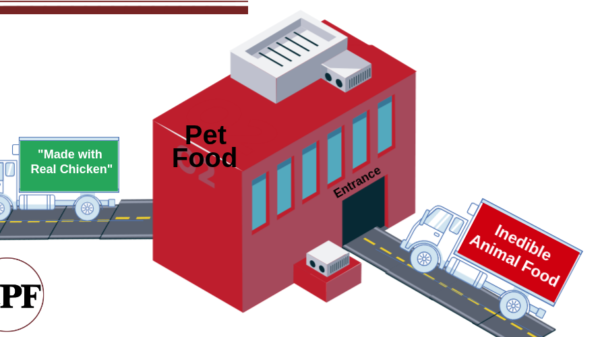
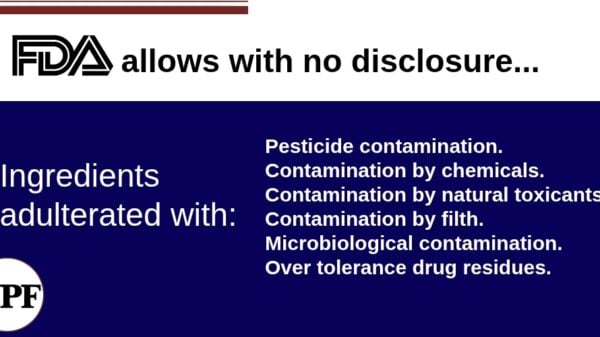
Even though federal law prohibits the use of diseased animals and animals that have died other than by slaughter in any food (human food or animal food), the FDA is solely responsible for allowing these types of ingredients in pet food. FDA states: “we do not believe that the use of diseased animals or animals that died otherwise than by slaughter to make animal food poses a safety concern and we intend to continue to exercise enforcement discretion.”
We (Association for Truth in Pet Food) have petitioned FDA on numerous occasions regarding their allowance of these illegal ingredients in pet food, requesting the agency to stop allowing them – or at the very least require disclosure on pet food labels in order for pet owners to understand what they are purchasing. All of our attempts thus far have been rejected by FDA.
Again, these types of ingredients are a direct violation of federal law – but the FDA allows them in pet food without your knowledge.
Pet Food Label Images
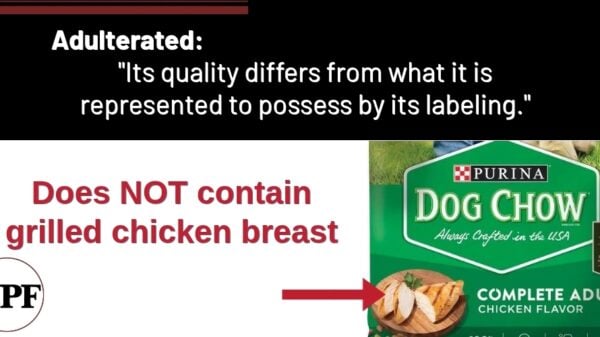
Pet food regulations state: “A vignette, graphic, or pictorial representation on a pet food label shall not misrepresent the contents of the package.”
Even though many pet food labels are in clear violation of this rule, no regulatory authority enforces it. FDA and all state authorities allow images on pet food labels to mislead pet owners.
Legal Requirements of Human Grade Pet Food
The legal requirements of Human Grade Pet Food are: “Every ingredient and the resulting product are stored, handled, processed, and transported in a manner that is consistent and compliant with regulations for current good manufacturing practices (cGMPs) for human edible foods as specified in 21 CFR (Code of Federal Regulations) Part 117.”
Minimum Required Protein Cat Food
The AAFCO Nutrient Profile for Adult Cats requires a minimum protein percentage of 26%. The AAFCO Nutrient Profile for All Life Stages (including kittens) requires a minimum protein percentage of 30%.
Minimum Required Protein Dog Food
The AAFCO Nutrient Profile for Adult Dogs requires a minimum protein percentage of 18%. The AAFCO Nutrient Profile for All Life Stages (including puppies) requires a minimum protein percentage of 22.5%.
Susan Thixton
Pet Food Consumer Advocate
TruthaboutPetFood.com
Association for Truth in Pet Food
Find Healthy Pet Foods in Your Area Click Here

The 2026 List
Our trusted ‘list’ of pet foods. Click Here to learn more.

The 2026/27 Treat List
Susan’s List of trusted pet treat manufacturers. Click Here to learn more.

Association for Truth in Pet Food is a stakeholder organization representing pet food consumers at AAFCO and with FDA. Your membership helps representatives attend meetings and voice consumer concerns with regulatory authorities. Click Here to learn more.



Sandy M
October 20, 2026 at 4:24 pm
Great quiz Susan! I will share it with my friends and family,