




The future of pet food has just been provided Generally Recognized as Safe (GRAS) status by FDA. Like it or not, it is coming to a pet food shelf soon.
From the paper “Precision fermentation for the next generation of food ingredients: Opportunities and challenges”, precision fermentation is described as “an advanced process of traditional fermentation wherein microorganisms, such as bacteria, fungi, or yeast, are genetically modified to yield a desired product.”
In this case, the FDA has provided GRAS status for the ingredient “Lamb Protein Yeast” in dog food, “at inclusion levels of up to 15% of the finished food.” The announcement came from Bond Pet Foods, a biotechnology company, and Hill’s Pet Food.
From the press release: “This achievement follows several years of joint development applying precision fermentation—a proven technology long used to produce human food ingredients for cheesemaking, as well as enzymes and vitamins—to develop a carefully-selected animal protein ingredient with a complete amino acid profile that includes nutritional characteristics comparable to a traditional lamb protein.”
Bond Pet Foods and Hill’s Pet Food performed a six month feeding trial on dogs and cats (GRAS status is pending for use in cat food) using the lamb protein yeast ingredient. The results of those feeding trials were not published (at least we could not locate them).
What is the difference between traditional fermentation and precision fermentation?
From the paper “Transition from fermentation to precision fermentation: Role in sustainable food system”: “Fermentation has been the cornerstone of human civilization for centuries, transforming simple ingredients into diverse nutritious foods like bread, beer, yogurt, and cheese. Initially, fermentation was simply described as a natural metabolic process involving microorganisms like bacteria, yeast, and fungi, converting organic compounds into other substances.”
“Precision fermentation is a novel and emerging method of biotechnology comprising product purification, microbial strain and process optimization techniques to synthesize specific ingredients like target proteins, enzymes, vitamins, and polysaccharides with high precision and efficiency. Precision fermentation methods recreate various proteins, such as those found in animal products, without necessarily using the animal.”
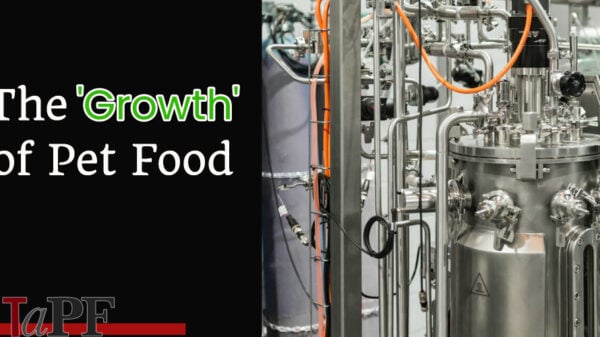
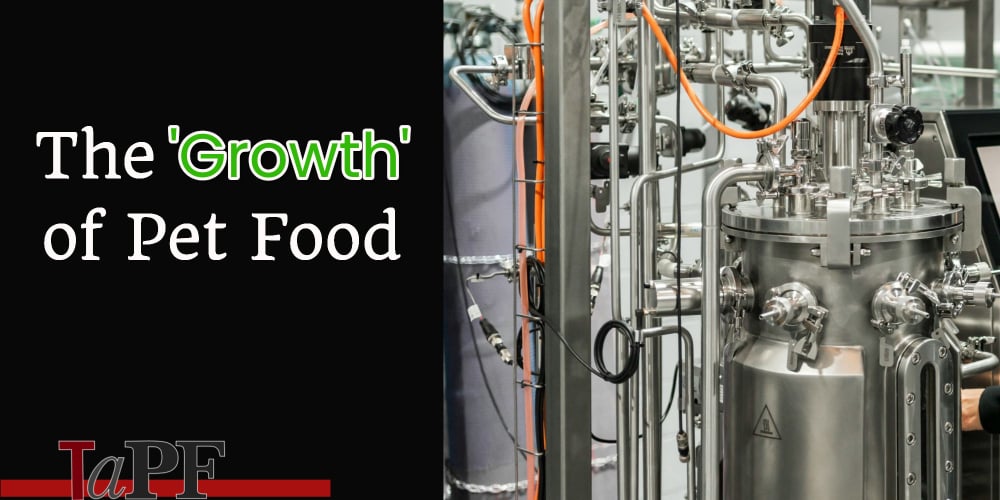
“Precision fermentation uses selected genes from microbial, plant, or animal sources to produce target compounds in engineered microbes grown in controlled bioreactors…”
In layman terms – the DNA of ‘target compounds’ (in this case lamb protein) is replicated (using no lamb) by altering (genetically modifying) the DNA of yeast or fungi or other substances to match the DNA of the lamb DNA. Then that altered yeast or fungi is reproduced in bioreactors. The industry claims the process produces an “animal protein ingredient with a complete amino acid profile that includes nutritional characteristics comparable to a traditional lamb protein.”
It’s not lamb – there is absolutely no lamb in the product. But the DNA of the product is comparable to lamb. And…the name of the ingredient will (probably) include the word lamb. Is this misleading to pet owners?
Will you purchase a pet food that includes Lamb Protein Yeast?
To read the FDA’s no objection letter, Click Here.
Susan Thixton
Pet Food Consumer Advocate
TruthaboutPetFood.com
Association for Truth in Pet Food
Find Healthy Pet Foods in Your Area Click Here

The 2026 List
Our trusted ‘list’ of pet foods. Click Here to learn more.

The 2025/26 Treat List
Susan’s List of trusted pet treat manufacturers. Click Here to learn more.

Association for Truth in Pet Food is a stakeholder organization representing pet food consumers at AAFCO and with FDA. Your membership helps representatives attend meetings and voice consumer concerns with regulatory authorities. Click Here to learn more.





Peg
May 20, 2026 at 10:15 am
The only way this will stop is if no one buys commercial crap feed. The difficulty is the shelters. The freebies they get from the Industry is what keeps it going. Can’t begin to tell you how many feline shelters and rescues think Fancy Feast is top of the line. When I ask if they read the ingredient label, their blank stares tell me all I need to know. Bless you always Susan for working tirelessly. Because of your guidance, my cat Rusty will celebrate birthday 25 on October 30, 2026💕
Thomas
May 20, 2026 at 12:19 pm
I believe the problem is far worse than shelters being bought off. I believe it is a problem of being intellectually lazy, gullible and on the other hand simply not able to understand and comprehend https://www.theglobalstatistics.com/literacy-rate-in-the-united-states/
Whenever I read “sustainable” my mind automatically goes to “cheap crap designed to maximize profit at the expense of honest producers and the consumer”. It is the hallmark of globalists to hide their intentions of bottomless greed for more money and power behind the same non-sense gibberish.
How about the much touted sewage sludge? The glorious promises of so called bio solids to be dumped onto farmlands? Despite the breaking scandals, it is still being dumped on farmland.
Are we faced with just ignorance and greed or is something more sinister at work?
saint
May 20, 2026 at 2:00 pm
You got it, they aren’t ignorant (well, most people are, but they’re the low level surface dwellers, compartmentalization is the controllers MO), and it’s certainly not about greed/”money”, even though that’s the biggest copout excuse. The brainwashed of course do worship their fiat debt and therefore most people can be bought off with that fake stuff. You are correct however., it is much more sinister…
Kathleen
May 20, 2026 at 1:57 pm
I feel sorry for the animals put on this trial. If there was a trial! Where are the trial results? Must have been pretty bad! With all the videos and podcasts that are out there, I have no sympathy for people who feed their dogs and cats the crap food from these big manufacturers and end up with sick pets. It is not that hard to feed fresh food, and it costs less. In stead of wasting time watching silly and pointless videos which you learn nothing from, start doing research on how to feed your pet, you owe them that.
Keene T
May 20, 2026 at 3:02 pm
“Genetically modifying the DNA of yeast or fungi or other substances to match the DNA of the lamb DNA”
You can bet it won’t stop there. Next will be human food/meat.
Bethany
May 26, 2026 at 12:34 pm
Recently, I’ve been rereading Upton Sinclair’s novel, The Jungle, about the meat packing industry in the early 20th century and it occurred to me that I am also reading about Big Pet Food today! There are so many similarities. For example, using 4-D nonhumans: Dead, Dying, Diseased, and Disabled; chemicals to alter/hide colors and flavors; toxic ingredients/fillers/adulterants; exposure to insects and rodents, unsanitary conditions, false advertising, etc. Someone should write an exposé/novel about Big Pet Food like Sinclair did about the meat packing industry, which sparked massive public outrage and led directly to two landmark pieces of legislation. Maybe then the public would wake up!