





You know the feeling: Standing in the pet food aisle, overwhelmed, trying to decipher confusing labels and buzzwords like “natural” and “premium.”
How do you distinguish between genuine quality nutrition—food, not feed—and clever marketing with buzzwords?
The harsh truth is: Unless you understand the pet food industry’s deceptive practices, regulatory loopholes, and non-enforcement of laws, knowing the difference between truly high-quality pet food and just good marketing is very difficult.
That is why we created The List.
What is The List?
The List is my ‘list’ of pet foods, I (Susan Thixton) personally trust to feed to my own pets. The 2026 List represents a thorough vetting process, examining both ingredient quality and manufacturer safety standards.
For each pet food manufacturer, The 2026 List provides detailed information on:
- Verified Ingredient Quality:
- Human grade status
- Organic or non-GMO ingredients
- Meats sourced from certified humanely raised animals
- Country of Origin for all ingredients.
- Facility Licensing: Whether the manufacturing is licensed for human food (meeting the safety standards required for human food) or for pet food.
- Safety Protocols: Including testing performed, supplier requirements, and disclosure of any pesticide fumigation used near ingredients or finished pet foods.
- Available Food Styles: Cooked, raw, freeze-dried/dehydrated, air-dried, canned, and veterinary diets (no kibble pet foods included)
- Packaging Information: Details on recyclability and BPA disclosure.
No AI was used to produce any part of the 2026 List.
Note: The 2026 List is a digital product (a pdf document).
Please read all information prior to purchase. No refunds on digital products.
My History & The List’s Origin
The 2026 List marks my 20th year as an active pet food consumer advocate. Since launching TruthaboutPetFood.com in 2006 and attending pet food regulatory meetings since 2009, I’ve spent countless hours challenging the FDA and AAFCO on behalf of pet owners. Due to this extensive, hands-on experience, pet owners consistently asked me for food recommendations.
While I cannot/do not make specific brand recommendations, I can—and do—offer a ‘list’ of foods I trust. I ONLY trust these pet foods because I have personally verified the ingredient quality for each food (each ingredient).
That list, The List, was first published in 2012 and is updated annually. Actually, EVERYTHING starts over each year. This year we started with a list of over 100 pet food manufacturers, that number was cut to 58, and finally ended with 45 manufacturers.
Each of the 45 manufacturers responded to our very detailed questions, provided verification documents to quality of ingredients and supplements, provided verification to organic ingredients and meats from certified humanely raised animals (if applicable).
The 2026 List includes:
45 brands
- 35 produce cat foods
- 42 produce dog foods
Styles of pet foods included:
- 22 brands provide cooked
- 24 brands provide raw
- 14 brands provide freeze dried/dehydrated
- 4 brands provide air dried
- 3 brands provide can
- 2 brands provide veterinary diets
Where these brands are sold:
- 42 available in US
- 13 available in Canada
- 11 available outside North America (limited distribution)
We’ve spent countless hours cross-checking claims, and verifying ingredient standards so you get the information you need to make a quality pet food decision.
At the same time you are supporting pet food consumer advocacy with your purchase of the List AND supporting pet food brands that go to the effort of manufacturing a quality pet food when you purchase these products.
Note: The 2026 List is a digital product (a pdf document).
No refunds on digital products.
The Pet Food Industry is a Minefield of Misinformation and Regulatory Loopholes
The nontransparent nature of pet food regulation and ingredient sourcing presents a constant challenge for pet owners seeking to provide optimal nutrition for their pets. What appears on a product label often hides a reality far different than the glossy, wholesome ingredient imagery presented in marketing materials.
The Disturbing Truth About Ingredient Sourcing: Diseased and Decomposing Animals
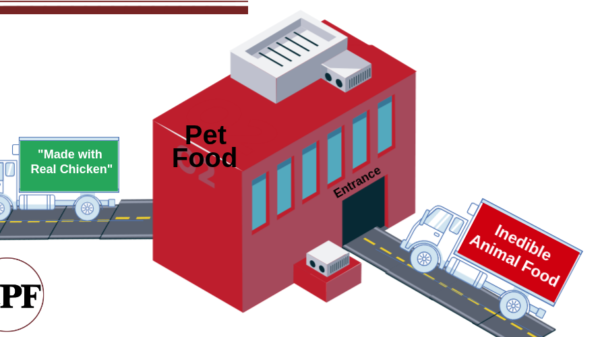
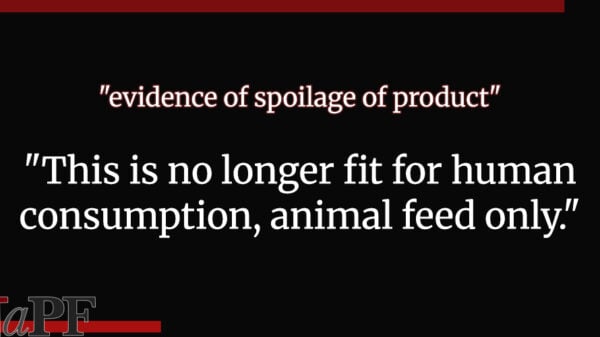
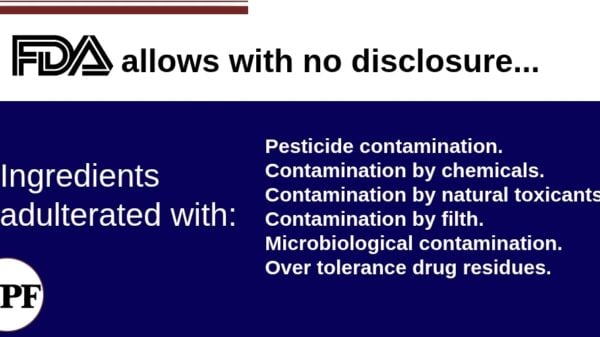
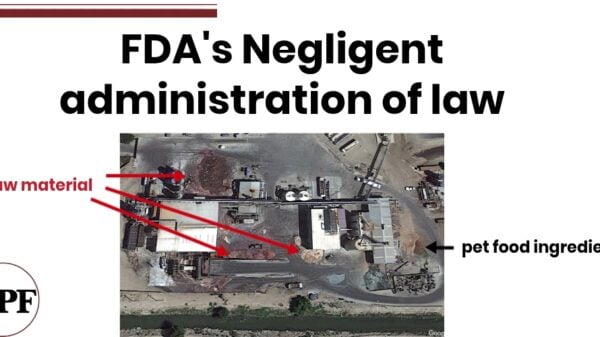
Perhaps the most disturbing aspect of the existing regulatory environment is the Food and Drug Administration’s (FDA) permissive stance on the use of “unfit” animal material. Do you know that the FDA allows pet food manufacturers to source meats from diseased, disabled, or even decomposing animals—materials explicitly condemned as unfit for human consumption—and they are not required to disclose this to consumers?
The agency’s rationale, revealed in their formal response to our Citizen Petition demanding an end to this illegal practice, is alarming: “We do not believe that the use of diseased animals or animals that died otherwise than by slaughter to make animal food poses a safety concern and we intend to continue to exercise enforcement discretion.”
The Shady Loophole: When the FDA Lets Pet Food Companies Off the Hook
Let’s be blunt: “Enforcement discretion” is just a fancy way the FDA uses to say, ‘We know federal food safety laws apply here, but we’re choosing not to make pet food companies comply.‘
This policy is a major problem for the foods our pets eat.
Essentially, this creates a special, softer set of rules for the pet food industry. It allows them to keep using certain ingredients, processes, and labels that would otherwise be illegal, adulterated, or misleading under the full force of the law. The bottom line is that our companion animals end up with a less safe, less clear, and often worse-quality food supply, all thanks to an official-sounding term (enforcement discretion) that hides the agency’s failure to do its main job: protecting consumers.
This FDA lack of enforcement allows manufacturers to prioritize profit margins over ingredient quality and consumer honesty.
The Legal Double Standard: Pet Food Ingredients Versus Human Food Ingredients
A cornerstone of pet food consumer deception lies in the drastically different legal definitions assigned to identical ingredient names between human food and pet food. EVERY single ingredient used in pet food has its own separate legal definition that allows for a dramatically lower quality standard than an ingredient of the same name in human food.
Consider the ingredient “chicken“:
- Human Food Chicken: When you see “chicken” listed on a human food label, strict legal requirements mandate that the meat must be sourced from a healthy bird, be inspected and “passed” by the U.S. Department of Agriculture (USDA), and deemed wholesome for human consumption.
- Pet Food Chicken: When you see the exact same ingredient name on a pet food label, there is NO legal requirement for it to be USDA inspected, wholesome or pass inspection. The legal definition of pet food ‘chicken’ is broad enough to permit the inclusion of condemned poultry, parts of diseased animals, or “non-slaughtered” chicken—meaning poultry that died on the farm from illness, injury, or neglect rather than being humanely processed in a slaughterhouse.
This same principle of a split legal definition applies across the board, from “beef” and “pork” to various grains and plant proteins. The term/ingredient name on the pet food label is the same as on a human food label, but the source, quality, and potential contamination level can be dramatically different.
The Crucial Lack of Disclosure
The most insidious part of this system is that pet food manufacturers are not required to disclose to you which quality—known as human grade or feed grade—of ‘chicken’ (or beef, or corn, or supplement) they have actually utilized. Consumers are left to rely entirely on marketing imagery and vague ingredient panels, forced to trust that their pet’s meal is made with the same quality standards as their own food—a trust the regulatory framework actively allows manufacturers to betray. Without mandatory disclosure, transparency remains elusive, and the power to make truly informed purchasing decisions is withheld from the pet owner.
Again, this is why we created the List.
Note: The 2026 List is a digital product (a pdf document).
No refunds on digital products.
You can download the 2026 List immediately after purchase, right in the shopping cart.
We appreciate your support of TruthaboutPetFood.com. As a fully pet food consumer-supported organization, we operate with complete independence.
Key Facts about the 2026 List:
- No pet food manufacturer pays a fee for consideration or inclusion in the List.
- Manufacturers included in the List are not permitted to purchase the document.
- We have no affiliate agreements with any pet food, whether they are included in the List or not.
- TruthaboutPetFood.com or Susan Thixton receives no compensation, of any kind, from any pet food company.
Susan Thixton
Pet Food Safety Advocate
Author Buyer Beware, Co-Author Dinner PAWsible
TruthaboutPetFood.com
Association for Truth in Pet Food
Find Healthy Pet Foods in Your Area Click Here

The 2026 List
Our trusted ‘list’ of pet foods. Click Here to learn more.

The 2025/26 Treat List
Susan’s List of trusted pet treat manufacturers. Click Here to learn more.

Association for Truth in Pet Food is a stakeholder organization representing pet food consumers at AAFCO and with FDA. Your membership helps representatives attend meetings and voice consumer concerns with regulatory authorities. Click Here to learn more.